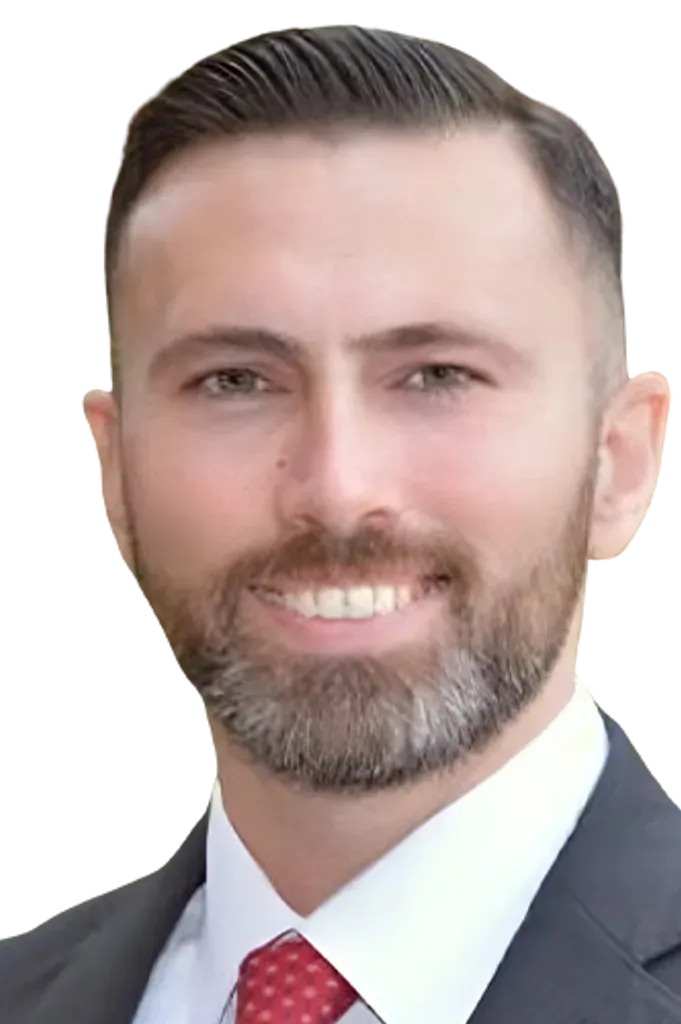
Chris Norton
Financial Advisor and Private Markets Fund Manager, Strategic Growth
He grew up on Long Island with an uncle who worked as a mate on a charter boat, which meant fluke, flounder and striped bass most weekends he could get out. Later he and a buddy pooled money from waiting tables and washing cars and bought a used center console that somebody clearly wanted gone, properly named The Gambler, and running it aground was a regular feature of the day. He lives near Tampa now and admits work has kept him off the water.
- Private Market Funds
- Pre-IPO Investing
- Counterparty Due Diligence
- Portfolio Risk Sizing
- Wealth Management
About Chris Norton
Chris Norton has spent eighteen years in financial services and now runs a fund that buys late-stage private company shares, names like SpaceX, xAI and Palantir, and offers them to high net worth clients. He separates that work from a traditional advisory business run through an RIA, and he spends most of his diligence time on who is on the other side of the trade.
What Chris built
Chris Norton runs a private markets fund that sources late-stage shares in companies such as SpaceX, xAI and Palantir for high net worth clients. He started in a traditional capacity eighteen years ago, advising on stocks, bonds and mutual funds, and seven or eight years ago noticed that his wealthier clients wanted companies that kept postponing going public. Palantir was the first deal his group did, followed by SoFi and SpaceX. The fund buys access through private markets desks at mid to large investment banks, often from venture firms that sit directly on a cap table and have more allocation than their own clients want, and from employee tenders at companies that let staff sell into a liquidity event. He keeps the two halves of his operation apart. A traditional advisory business runs through an RIA, Sutter Capital Partners, where his partner Nick, formerly at New York Life advising other advisors, handles the day to day, while Chris works exclusively on the fund: vetting opportunities, coordinating with the fund administrator, handling back office detail, and offering deals out.
Chris in the field
He grew up on Long Island in what he calls humble beginnings, with an uncle who worked as a mate on a charter boat and took him out pretty much every weekend he could get. Fluke, flounder, striped bass, bluefish he could pop left and right near the warm water pushing off the smokestacks in Northport, though he was never sure eating those was wise. He and a buddy eventually bought a small used center console with money from summer work, waiting tables and washing cars, and named it The Gambler, which held up every time they had to beach it after running aground. The lesson he carried into work is that location beats technique. You can be excellent at what you do and still fail in a market with no appetite for it, so the work is finding the people who actually need the value you provide. He lives near Tampa now and says work has kept him off the water, which Sam is trying to fix with a trip.
Why this conversation matters
Most conversations about pre-IPO investing are either mystified or sold. This one is neither. Chris explains the mechanics plainly, down to the fee a venture firm charges to pass along the piece of a round it cannot place, and he puts the losses on the table beside the wins. A position that went up twenty or thirty times and a position that fell from twenty dollars to one came out of the same process, and the difference between them was never nerve. It was structure: a foundation he tells clients never to raid, an aggressive allocation capped around ten to twenty percent, later-stage deals chosen over early ones for the better odds of getting principal back, and diligence aimed at the counterparty rather than the headline. The last stretch, about which clients to keep and which fish to cut loose, is the same discipline pointed at his own calendar. Anyone deciding where risk belongs in a portfolio or a business will find the reasoning useful.
“The older I get, the more opportunities I say no to rather than yes to.”
Chris Norton on The Hunt for Success
Sam McGough's full conversation with Chris, available on YouTube, Spotify, and Apple Podcasts.

Key takeaways from Chris Norton
The ideas Chris left on the table in episode 23.
-
The meat is already off the bone.
The capital markets changed underneath everyone. Companies take far longer to go public now, and a large share of the value accrues while they are still private, so an investor who waits for the ticker is often buying what is left. That observation, made about seven or eight years ago in his high net worth book, is the whole reason the fund exists. Palantir was the first deal, then SoFi, then SpaceX.
-
The shares come out of somebody else's allocation.
His fund does not keep a list of SpaceX employees or early investors. It works with private markets desks at mid to large investment banks, which call when access opens because the fund transacts in these names regularly. A common structure has a venture firm sitting directly on the cap table with the right to buy two hundred million of a round and client demand for only a hundred and fifty. Rather than leave the remainder, the VC syndicates it out for a fee, perhaps five percent on a twenty million dollar transaction. The other door is an employee tender, someone who needs to sell two million out of a twenty million dollar position.
-
Diligence is mostly about who you are transacting with.
With one analyst and two assistants, he is honest that his team will never out-research the biggest funds in the world. What it can read is the room. When Andreessen Horowitz or Sequoia writes a nine figure check into a round, that is a credibility signal his team then verifies against its own work. The place he spends the most time is confirming that the counterparty on the other side of the trade is reputable, because in private deals that is where the real risk sits.
-
Later stage, less upside, better odds on principal.
The fund almost never touches seed or Series A and rarely does a Series B. It plays in later rounds where the investment has already been de-risked, trading away some of the upside for a better chance of getting principal back with a good return on top. Where he does back earlier companies, he prefers established founders who have already had a large public exit, who have deep pockets and connections, and whose businesses are producing revenue. Most startups fail, he says, not because the idea was bad but because they need more funding and cannot get it.
Chris's ideas in The Pursuit
Where the weekly newsletter picked up this conversation.