What Are You Really Hunting For?
A bigger business is only part of the picture. The Hunt for Success begins with a question about freedom, family, adventure, and the life you want to build.
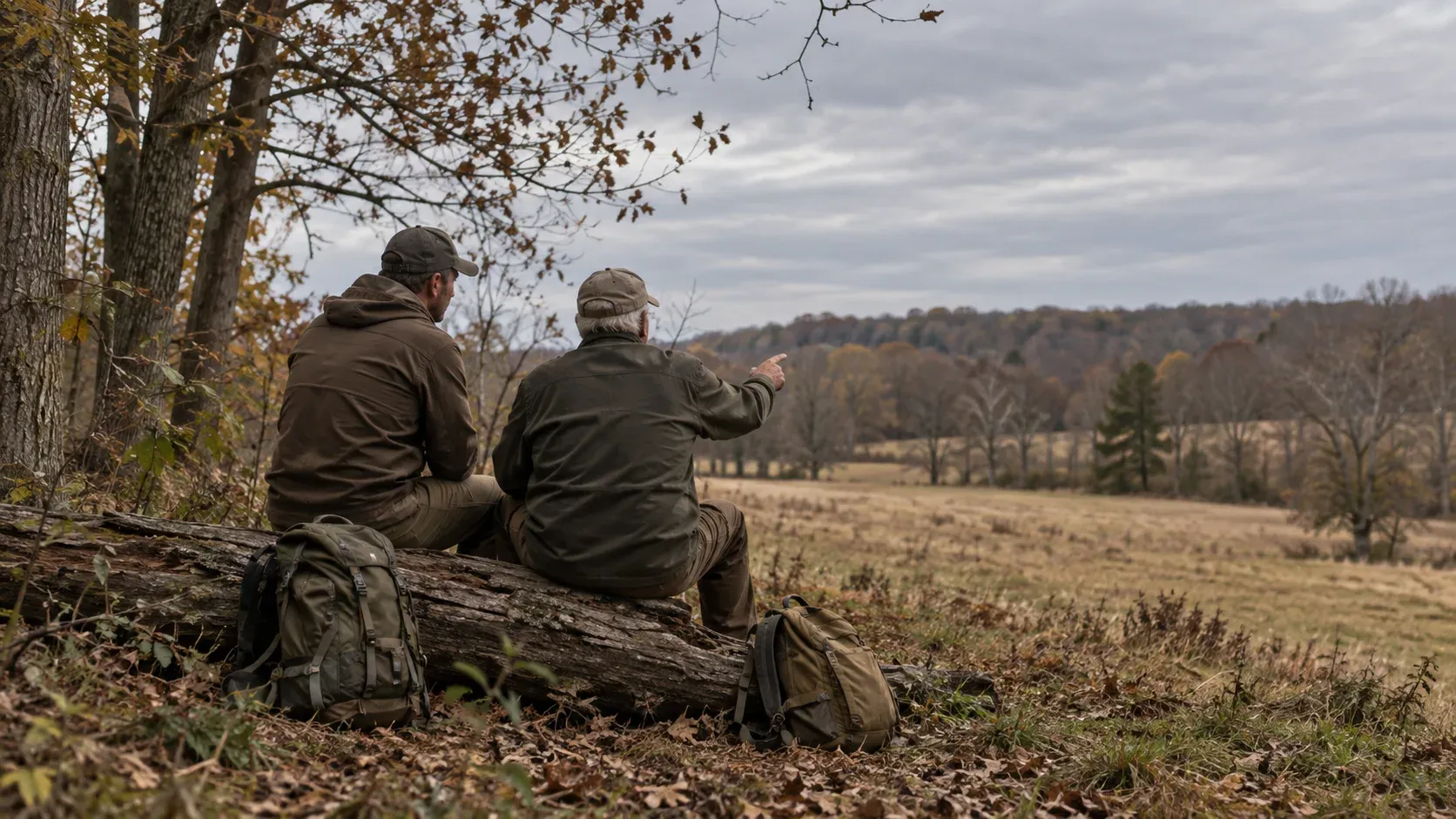
There is probably a reason you started working this hard. A life you pictured. People you wanted to provide for. The freedom to choose how you spent your days.
That reason deserves as much attention as the next goal.
The Hunt for Success starts with a question: what do you want your success to make possible? A business you are proud of may be part of the answer. So might an unhurried dinner, a week in the mountains, or the ability to be there when someone needs you. Getting specific about that life gives the work a direction.
Before setting the next target, it is worth looking at the one you have been chasing.
Put a life behind the goal
Revenue is easy to put on a dashboard. Freedom takes a little more explaining.
Does it mean taking your kids to school? Choosing which clients you work with? Having enough room in the schedule to spend a few days in the field without managing the office from your phone?
Those answers matter because they lead to different decisions. An owner who wants a larger company may need to spend the next year hiring and building capacity. An owner who wants more control over the week might need to develop a capable manager, simplify an offer, or stop accepting work that consumes every available evening.
Neither person needs to borrow the other’s definition of success.
Try finishing this sentence without using a number: I want the work I am doing to give me more room for _____.
Then make the answer concrete. “Family” might mean being home for dinner four nights a week. “Adventure” might mean finally putting dates on a trip you have discussed for years. “Meaningful work” might mean spending more of your time on the part of the business you actually care about.
You can still have a financial target. Now you also have a reason for it.
Notice what the pursuit is asking of you
Building something worthwhile takes effort. There will be demanding seasons, uncomfortable decisions, and days when you have to stay late. A launch, a setback, or a commitment to a customer can require more than a tidy schedule allows.
The question is whether you can still explain the trade.
What is this stretch of work meant to accomplish? When will you review it? What are you protecting while you do it?
“Once things settle down” leaves all three questions unanswered. A more useful commitment might be: for the next six weeks, the new location needs extra attention; after that, the team will review the workload and decide what changes. The exact arrangement will differ. The point is to make the cost visible and give yourself a time to reconsider it.
In his conversation with Sam McGough, Matt Fourie reflects on a mentor’s distinction between having money and having time. It is a useful question to carry into your own plans: if the numbers improve, what becomes possible in your actual week?
Look at the calendar alongside the business results. Both can tell you something about what you are building.
Give the outdoors a place in the plan
The outdoors belongs in this conversation because it is part of the life the show explores. The early start. The preparation. Time with people you enjoy. A stretch of country you have wanted to see for yourself.
You do not have to be a hunter to recognize the appeal of a day that asks something different of you. It might be fishing, hiking, riding, or simply spending an afternoon outside with your family. The important detail is that you want to be there, and that you have made room to go.
In Brian McNally’s conversation about freedom after an exit, the discussion moves from building a company to family, physical capacity, and the experiences he wants to share. That wider view fits the question at the heart of this blog: what would you like to be able to do with the life you are working to build?
Some plans need savings, preparation, and patience. Others need a date and a decision. It helps to know which kind you are postponing.
Start with a week you would want to live
You do not need a perfect vision of the next twenty years. Start with one ordinary week.
Picture the work you would do, the people you would see, and the time you would keep for yourself. Include the responsibilities. A useful picture of success has room for the bills, the school run, and the work that still needs doing.
Then ask three questions:
- What do I want to keep? Name something that already makes the work or the life worthwhile.
- What keeps getting squeezed out? Choose one thing you regularly say matters but rarely make time for.
- What could I change this month? Pick a step small enough to take and specific enough to notice.
That step could be handing off a recurring decision, protecting one evening, or asking the people closest to you what they would like more time for together. It could be booking the trip, then doing the preparation it requires.
Treat it as a choice to try, not another test you have to ace. See what it changes. Adjust from there.
Keep asking the question
The answer to “What are you really hunting for?” can change. What mattered when you started a business may look different after a decade of running it. A growing family, a new interest, or an experience you did not expect can give you a different view of what enough looks like.
Making time to reconsider is part of taking the pursuit seriously.
That is where this blog begins. With the businesses people build, the choices behind them, and the lives they want those businesses to support. Future posts will explore the practical side of those choices. The conversations on The Hunt for Success podcast bring the people and their experiences into the picture.
For now, give yourself a few quiet minutes and finish the sentence:
I am working toward a life with more _____.
Put something in the blank that you want to make room for. Then choose one action that brings it closer.
Keep exploring
Meet the people behind the pursuit →