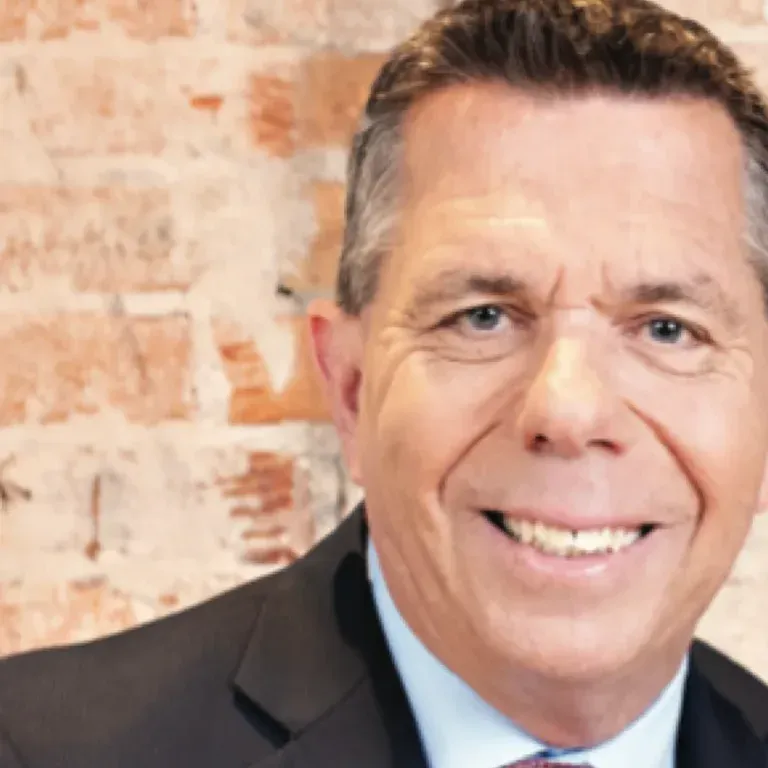
Hugh Hornsby
Founder of Blue Collar Smart & Trades Turnaround Strategist, Hornsby Business Consulting and Coaching
A Chesapeake waterman's grandson who still measures a morning by the crab boats leaving at 3:30 — striper and cobia on the bay, duck blinds where nobody needs to see a duck, and a standing conviction that the best business conversations happen where there's no agenda and no cell service.
- Wholesale Distribution
- Sales Team Turnarounds
- Plumbing And HVAC
- Trades Business Coaching
- Hiring Overlooked Talent
About Hugh Hornsby
What Hugh built
Forty-plus years in plumbing, HVAC, wholesale distribution and industrial PVF, almost all of it spent making underdog companies beat bigger ones. He came out of college in the early '80s into Ferguson Enterprises when it was a $150M business — it's a $34 billion gorilla now — and got fired from that first sales job three years in. He stayed in the industry anyway, moved through manufacturers' reps and factories, and built a reputation for walking into companies that had tried everything and fixing the one thing nobody would name: the people. He has helped build out ten companies, most recently Everflow Supplies, which he took from $65 million to more than $155 million in two and a half years — through the COVID supply chain, with a sales team that included a man fourteen years out of prison, a former lawnmower crew lead and a finished carpenter. The Wholesaler named him Person of the Year in wholesale distribution in 2024. Today he runs Hornsby Business Consulting and Coaching, sits on a couple of AI boards, writes and hosts for Southern PHC, and has a book coming called Blue Collar Smart.
Hugh in the field
Hugh's people were watermen. They worked the water at Gloucester, Virginia, across from Yorktown — they hunted to live and fished to live, and the photographs on his wall show his grandfather in a suit and a bow tie holding a gun, with ducks on one hook and fish on the other, because you went out at lunch and you came back with dinner. He still wakes up to the crab boats running their lights out the back door at 3:30 in the morning. His dad was an entrepreneur who was busy all the time and completely available inside a duck blind, which is most of what Hugh has to say about why he'd rather do business from a boat: you may not even see a duck, and it doesn't matter. He fishes striper and cobia on the Chesapeake, and he's convinced that the camaraderie men lose in their fifties is the thing hunting and fishing quietly hand back.
Why this conversation matters
Hugh was diagnosed with epilepsy at ten, and his mother — abandoned herself at three, raised seven years in a mixed home — told him in the hospital never to let anybody hold him back, especially himself. When ninth-grade teachers tried to move him into special needs, she didn't get angry; she handed him a notebook and a pen and sent him upstairs to write down every reason he disagreed and where he intended to go instead. That's the whole operating system: he was 155 pounds starting at noseguard against 265-pound men, so he got lower and quicker; he couldn't get elected president of any fraternity on campus, so he founded one out of everybody the others wouldn't take and made it the biggest. Eighteen months before this conversation he was diagnosed with stage four cancer, and a year later he walked onto a stage at a Manhattan comedy club and told a room full of strangers about being abused at eight — something he'd carried for fifty years without telling anyone. He is very clear that none of it was the point. The point was to stop performing and get honest, and that turns out to be the same skill that fixes a broken sales floor.
“Don't let anybody hold you back — especially yourself.”
Hugh Hornsby on The Hunt for Success
Sam McGough's full conversation with Hugh, available on YouTube, Spotify, and Apple Podcasts.
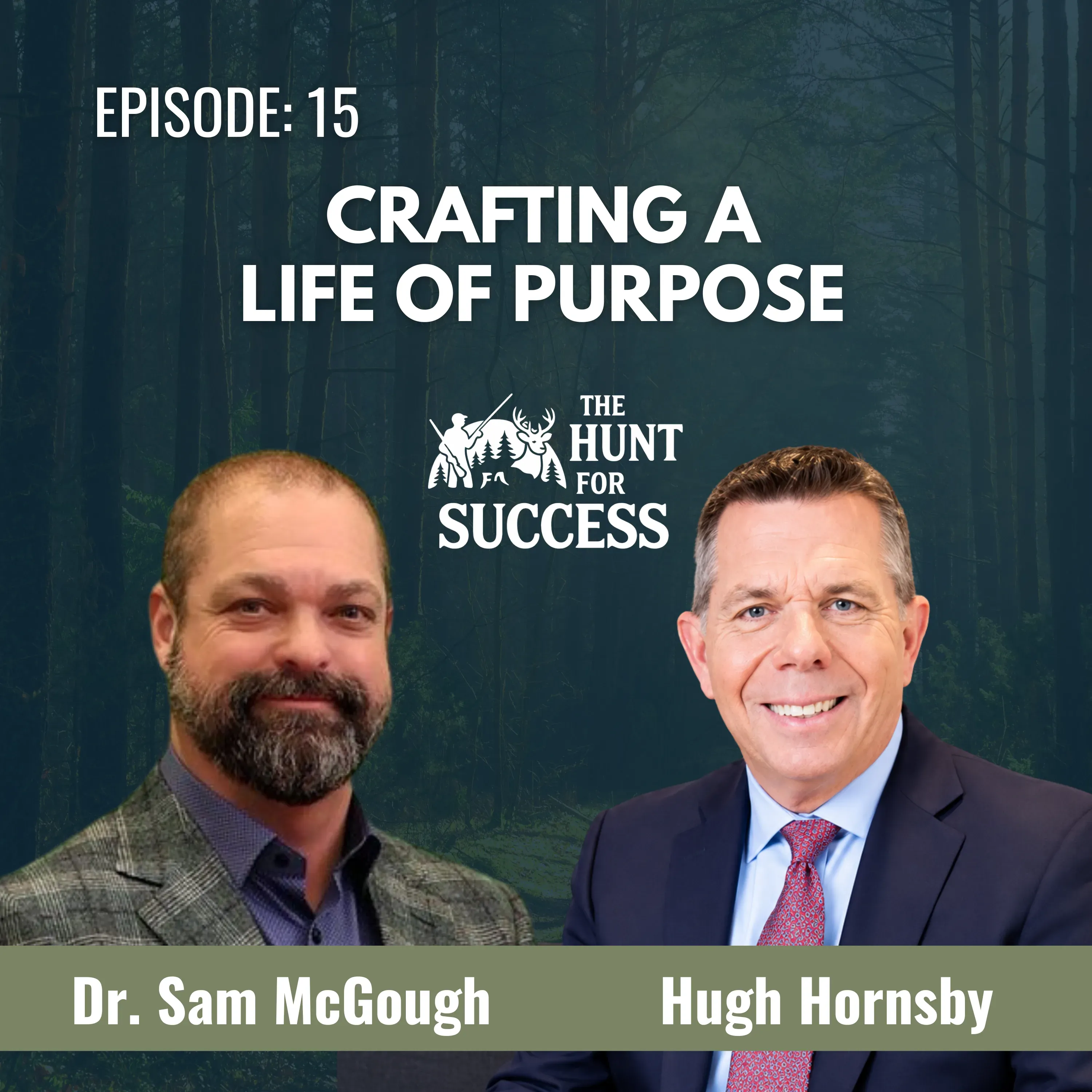
Key takeaways from Hugh Hornsby
The ideas Hugh left on the table in episode 15.
-
Don't let anybody hold you back — especially yourself.
Hugh's mother said it to him in a hospital room with a tear in her eye when he was ten and newly diagnosed with epilepsy, and it became the whole operating system. She refused to let it be a disability: you've been given something special, use it for the betterment of people. Fifty years later it's still his motto, and it's in his stand-up act.
-
Anger is the wrong first response. Hand them a notebook.
When the ninth-grade teachers tried to put him on the special-needs bus, he came home expecting his mother to be mad. Instead she gave him a notebook and a pen and sent him upstairs to write down every reason he disagreed and where he intended to go instead. She knew that if anything was going to change, it had to change from the inside of him — so nobody could put him in the box.
-
It's not the successes that move you forward. It's the failures.
He got fired from his first sales job at Ferguson, and he could have spent a career blaming the president who'd done things he shouldn't have done. The day he took personal responsibility for it instead is the day he decided the trades were where he was staying. Every knockdown after that became the same question: what can I do differently next time?
-
If you can't get in, build your own — and start with yourself.
Every fraternity at Radford told him a two-year transfer couldn't be president. So he answered a flyer for a chapter that didn't exist yet, had cards printed reading Hugh Hornsby, President before a single vote, and went door to door recruiting everyone the other houses had turned down. "I was president of one, because I started with myself." It became the largest fraternity on campus, and it's the same model he's used to build out ten companies since.